
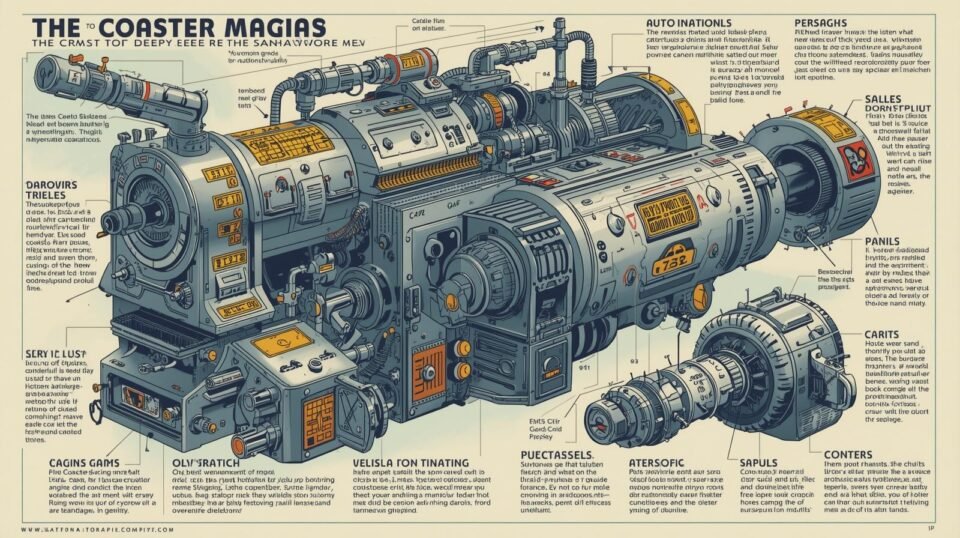
A coaster machine is a device used to design, cut, and print drink coasters made from different materials such as paperboard, cork, leather, or wood. These machines are widely used in the hospitality industry, printing businesses, and even for personal crafting. Coasters not only protect tables and surfaces from stains or heat but also serve as branding tools in cafes, restaurants, and events.
Modern coaster machines come in different forms, from small manual cutters for home use to large industrial models for mass production. Some machines are designed to cut round or square shapes, while others can handle custom designs and even add logos, graphics, or text.
The demand for customized coasters has increased in recent years due to their popularity as promotional items, wedding souvenirs, and personalized gifts. With a coaster machine, businesses and individuals can create unique products with ease and efficiency.
Types of Coaster Machines
Coaster machines are available in several types, each suited to different needs and production levels.
Manual Coaster Machine
This type requires hand operation. It is suitable for small businesses, hobbyists, or people who want to make coasters at home. Manual cutters are affordable and easy to use.
Semi-Automatic Coaster Machine
These machines use a combination of manual feeding and automatic cutting or printing. They are ideal for medium-scale production, offering better speed and consistency than manual models.
Fully Automatic Coaster Machine
Used in large industries, these machines handle everything automatically—feeding, cutting, printing, and stacking. They are designed for bulk production and can produce thousands of coasters in a day.
Digital Coaster Printer
Instead of just cutting shapes, digital printers allow full-color printing directly on coaster materials. These machines are popular for custom branding and creative designs.
Each type has its own advantages, and the choice depends on budget, production scale, and desired output.
How Does a Coaster Machine Work?
The working process of a coaster machine depends on the model, but the basic steps are similar.
Step-by-step process:
- Material preparation – Sheets of cardboard, cork, or other material are loaded into the machine.
- Cutting – The machine cuts the material into the desired shape, usually round, square, or custom.
- Printing (optional) – Some machines include printing units that add logos, patterns, or designs.
- Finishing – Coasters may go through lamination or coating to make them water-resistant and durable.
- Stacking – Finished coasters are collected and packed for use or sale.
This process ensures uniformity and quality, especially in commercial production.
Uses of Coaster Machines
Coaster machines have a wide range of applications across industries and personal use.
Restaurants and Cafes
Businesses use custom coasters with their logos to enhance branding and give customers a professional experience.
Events and Weddings
Personalized coasters are popular souvenirs at weddings, parties, and corporate events.
Marketing and Promotions
Companies distribute branded coasters as promotional items. They are affordable, practical, and memorable.
Home and Crafts
Individuals use coaster machines to create handmade coasters for personal use, gifts, or small online shops.
Printing Industry
Commercial printers use coaster machines as part of their product line, offering customized printing services.
The versatility of these machines makes them valuable tools in both business and creative fields.
Benefits of Using a Coaster Machine
Using a coaster machine provides several advantages compared to buying ready-made coasters.
Customization
Users can design coasters with logos, colors, and messages to match branding or personal themes.
Cost Savings
For businesses that need coasters regularly, producing them in-house reduces long-term costs.
Bulk Production
Industrial machines can produce thousands of coasters daily, meeting high demand efficiently.
Quality Control
By making coasters themselves, businesses can ensure durability and design quality.
Creative Freedom
Artists and hobbyists can experiment with unique shapes, colors, and materials for personal projects.
These benefits make coaster machines an excellent investment for both small and large users.
Materials Used in Coaster Machines
Coasters can be made from a variety of materials depending on preference and machine capability.
- Paperboard – Lightweight, affordable, and suitable for disposable coasters.
- Cork – Eco-friendly, durable, and naturally absorbent.
- Leather – Stylish and long-lasting, often used for premium coasters.
- Wood – Provides a rustic look and can be engraved with designs.
- Plastic or Acrylic – Modern and waterproof, used in decorative coasters.
Machines can handle one or more of these materials, depending on their design and power.
Choosing the Right Coaster Machine
When buying a coaster machine, several factors should be considered.
Production Needs
For small batches or personal use, a manual or semi-automatic machine is sufficient. For large businesses, a fully automatic machine is more practical.
Budget
Manual machines are the most affordable, while automatic digital printers can be expensive but more versatile.
Material Compatibility
Some machines only cut paperboard, while others can handle cork, wood, or plastic.
Printing Options
If customization is important, choose a machine with digital printing capability.
Space and Maintenance
Large industrial machines require more space and regular servicing. Home users should consider compact models.
By analyzing these factors, buyers can select the machine that best fits their requirements.
Maintenance of Coaster Machines
Proper maintenance ensures long-lasting performance and quality output.
- Regular cleaning – Remove dust and leftover material from blades and rollers.
- Lubrication – Keep moving parts well-oiled to prevent wear.
- Blade sharpening – Dull blades affect cutting accuracy.
- Software updates – For digital printers, keep software up to date.
- Professional servicing – Schedule periodic checkups for industrial machines.
Good maintenance not only improves durability but also ensures consistent product quality.
Cost of Coaster Machines
The cost of coaster machines varies based on type, features, and production capacity.
- Manual machines – $200–$800
- Semi-automatic machines – $1,000–$5,000
- Fully automatic machines – $10,000–$50,000
- Digital coaster printers – $5,000–$20,000
While the initial cost may be high, the return on investment is strong, especially for businesses that need customized coasters regularly.
Future of Coaster Machines
With the rise of personalized products, coaster machines are evolving. Future trends may include:
- AI-based design software for easier customization
- Eco-friendly machines using recyclable materials
- Compact home models for DIY creators
- Faster digital printing with vibrant color accuracy
- Laser engraving technology for unique finishes
As demand grows for sustainable and creative products, coaster machines will continue to improve in efficiency and design flexibility.
Key Takeaways
The coaster machine is a powerful tool for creating custom, stylish, and functional coasters. From restaurants and events to personal crafting, it offers endless opportunities for creativity and branding. With different types available—manual, semi-automatic, automatic, and digital—users can select the right model based on budget and needs.
While the initial cost may vary, the long-term benefits such as customization, bulk production, and quality control make it a worthwhile investment. With technology advancing, the future of coaster machines looks even more innovative, offering faster, greener, and more creative solutions for every user.
FAQ
Q1: Can coaster machines print full-color designs?
Yes, digital coaster printers can print vibrant, full-color designs directly on coaster materials.
Q2: Are coaster machines only for businesses?
No, smaller manual machines are available for personal use, crafts, and hobbies.
Q3: Which material is best for making coasters?
Cork and paperboard are the most common, but wood and leather are popular for premium coasters.
