
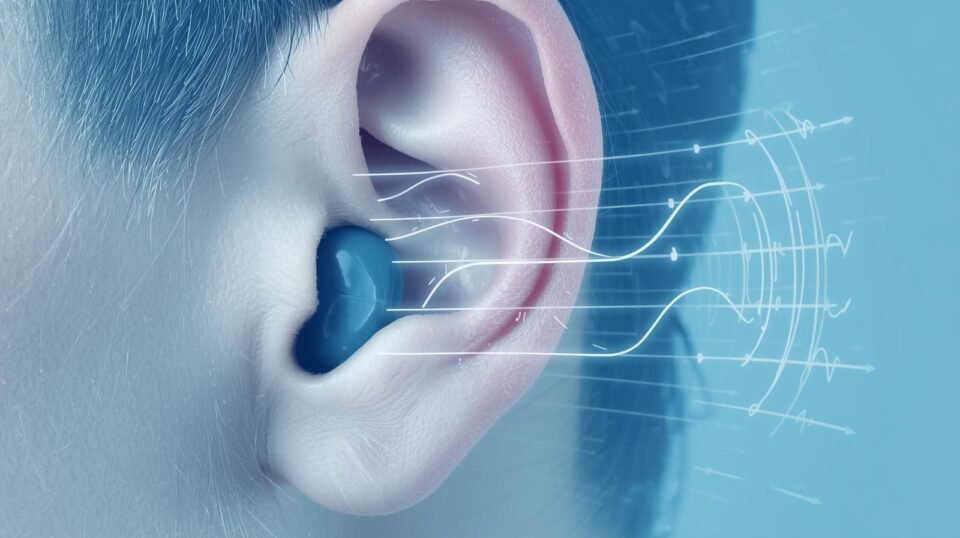
Ringing in the ear with ear plugs feels confusing and frustrating. You wear ear plugs to protect your hearing or block noise, yet you suddenly notice ringing, buzzing, or humming sounds. Many people panic and assume something went wrong. Others ignore it, hoping it will disappear on its own.
This issue is more common than most people realize. Ear plugs do not directly damage your ears, but they can change how you perceive sound inside your head. When outside noise drops, internal sounds become louder. That shift can make ringing impossible to ignore.
In this guide, we will explain why ringing in ear with ear plugs happens, when it is harmless, and when it signals a deeper problem. You will also learn how to use ear plugs safely and what to do if the ringing continues.
Understanding Ringing in the Ear
Ringing in the ear is medically known as tinnitus. It does not always sound like ringing. Some people hear:
- Buzzing
- Whistling
- Hissing
- Clicking
- Pulsing
Tinnitus can affect one ear or both. It may come and go, or it may stay constant. Many people only notice it in quiet environments, especially when wearing ear plugs.
Why Ringing in Ear With Ear Plugs Feels Worse
Ear plugs reduce external sound. That silence can make internal sounds stand out more clearly. This effect does not mean the ear plugs caused damage. Instead, they remove background noise that usually masks tinnitus.
Think of it like turning off a fan in a quiet room. You suddenly hear sounds you never noticed before. Ear plugs create that same situation inside your ears.
The Occlusion Effect Explained
One major reason for ringing in ear with ear plugs is the occlusion effect.
When you block the ear canal, internal body sounds become louder. These sounds include:
- Blood flow
- Jaw movement
- Breathing
- Nerve signals
Ear plugs trap these vibrations inside the ear canal. As a result, ringing feels stronger, even if the tinnitus already existed at a low level.
Common Causes of Ringing in Ear With Ear Plugs
1. Pre-Existing Tinnitus
Many people already have mild tinnitus without realizing it. Daily noise hides it. Ear plugs remove that noise, making tinnitus noticeable.
This situation does not mean ear plugs caused the ringing. They simply revealed it.
2. Improper Ear Plug Fit
Poorly fitted ear plugs can irritate the ear canal. Pressure, friction, or uneven insertion can trigger temporary ringing.
Reusable ear plugs that are too large often cause this issue.
3. Ear Wax Buildup
Ear plugs can push ear wax deeper into the ear canal. Impacted wax blocks sound and increases pressure, which can cause ringing.
This issue is common among people who wear ear plugs frequently.
4. Noise Exposure Before Using Ear Plugs
Loud noise exposure earlier in the day can trigger tinnitus. When you later wear ear plugs in a quiet environment, the ringing becomes obvious.
For example, attending a concert and then sleeping with ear plugs can reveal ringing at night.
5. Ear Canal Sensitivity
Some people have sensitive ear canals. Ear plugs can overstimulate nerves, especially when worn for long periods.
This sensitivity may cause ringing that fades once you remove the plugs.
6. Stress and Anxiety
Stress increases tinnitus perception. Wearing ear plugs often happens during sleep or quiet moments, when the brain focuses inward.
Anxious thoughts can amplify ringing sensations.
Are Ear Plugs Causing Permanent Damage?
In most cases, no.
High-quality ear plugs used correctly do not damage hearing. Ringing usually comes from perception changes rather than injury.
However, problems can arise if you:
- Insert ear plugs too deeply
- Use dirty ear plugs
- Wear damaged or hard plugs
- Ignore ear pain or pressure
Permanent ringing is rare from ear plugs alone.
Types of Ear Plugs and Their Impact
Foam Ear Plugs
Foam ear plugs expand inside the ear canal. If inserted incorrectly, they create pressure and irritation.
Proper rolling and shallow insertion reduce risk.
Silicone Ear Plugs
Silicone plugs sit at the ear opening. They usually cause less pressure but may increase the occlusion effect.
They work well for sleeping.
Custom Molded Ear Plugs
Custom plugs fit your ear shape perfectly. They reduce irritation and pressure.
People with tinnitus often tolerate these best.
High-Fidelity Ear Plugs
These plugs reduce volume evenly instead of blocking all sound. They allow some background noise, which may reduce ringing awareness.
Ringing in Ear With Ear Plugs While Sleeping
Many people first notice ringing at night. Ear plugs remove environmental noise like traffic or fans.
The brain then focuses on internal sounds. This focus makes tinnitus feel louder and more intense.
Sleep-related ringing often fades during the day when normal sound returns.
When Ringing Is Temporary
Ringing usually fades within minutes or hours if caused by:
- Pressure from ear plugs
- Short-term noise exposure
- Mild ear canal irritation
- Stress
Removing ear plugs and returning to normal sound often solves the issue.
When Ringing Needs Medical Attention
Seek medical advice if ringing:
- Lasts longer than a few days
- Worsens over time
- Comes with dizziness
- Includes hearing loss
- Occurs in one ear only
- Feels pulsating or rhythmic
These signs may indicate infection, nerve issues, or circulation problems.
Ear Infections and Ringing
Ear plugs can trap moisture, especially during sleep or swimming. Moisture creates an environment for bacterial growth.
An ear infection can cause:
- Ringing
- Pain
- Fullness
- Discharge
Clean and dry ear plugs reduce this risk.
How to Use Ear Plugs Without Causing Ringing
Choose the Right Size
Never force ear plugs into your ears. A comfortable fit prevents pressure and irritation.
Insert Correctly
Roll foam plugs fully and insert gently. Hold them in place until they expand.
Keep Them Clean
Wash reusable ear plugs regularly. Replace disposable ones often.
Take Breaks
Avoid wearing ear plugs all day. Give your ears time to breathe.
Avoid Deep Insertion
Plugs should seal the ear canal, not reach deep inside.
Managing Ringing When Using Ear Plugs
Add Background Sound
Use a white noise machine or fan. Soft sound reduces tinnitus awareness.
Reduce Stress
Relaxation techniques lower tinnitus perception. Deep breathing helps.
Limit Caffeine and Alcohol
Both can increase ringing in some people.
Stay Hydrated
Dehydration can worsen tinnitus symptoms.
Can Ear Plugs Help Tinnitus?
Yes, in noisy environments.
Ear plugs protect ears from loud noise, which prevents tinnitus from worsening. They are useful during concerts, construction work, or travel.
The key is balanced use, not constant silence.
Myths About Ringing in Ear With Ear Plugs
“Ear plugs cause tinnitus”
False. They reveal existing tinnitus rather than create it.
“Ringing means permanent damage”
Not always. Temporary ringing is common.
“More silence is better”
Total silence often makes tinnitus feel worse.
Psychological Side of Ringing
Tinnitus becomes louder when you focus on it. Ear plugs increase awareness by removing distractions.
Learning to ignore ringing reduces its impact over time. The brain adapts when you stop reacting emotionally.
Long-Term Outlook
Most people experience ringing occasionally without serious issues. With proper ear plug use and healthy habits, symptoms improve.
For chronic tinnitus, professional guidance and sound therapy can help.
Final Thoughts
Ringing in ear with ear plugs feels alarming, but it rarely signals damage. Ear plugs change how you hear, not how your ears function. They remove outside noise and expose internal sounds that were already there.
Using the right ear plugs, maintaining cleanliness, and avoiding overuse make a huge difference. If ringing persists or worsens, professional evaluation ensures peace of mind.
Understanding your ears helps you protect them without fear.
