
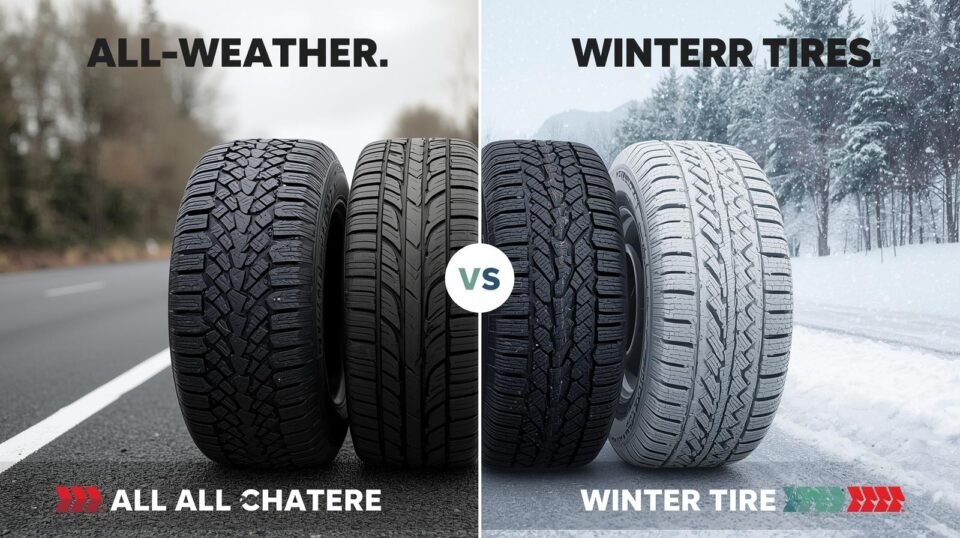
Choosing the right tires is very important for safety, comfort, and performance. Many drivers often get confused between all weather tires vs winter tires especially when cold seasons arrive. Both types are designed to handle challenging conditions, but they are not the same. Each has its own strengths and weaknesses depending on climate, road conditions, and driving habits. In this article, we will clearly explain all weather tires vs winter tires so you can make the right choice for your vehicle.
What Are All Weather Tires?
All weather tires are designed to be used year-round. They are made to handle a wide range of conditions, including dry roads, rain, light snow, and cold temperatures. These tires are a mix between all-season tires and winter tires.
One key feature of all weather tires is that they are approved for winter use. Many of them carry the three-peak mountain snowflake symbol, which means they meet certain standards for snow traction. This makes them different from regular all-season tires.
All weather tires are a popular choice for people who live in areas with mild to moderate winters. They save time and money because you don’t need to change tires when the seasons change.
What Are Winter Tires?
Winter tires are specifically designed for cold temperatures, snow, ice, and slush. They are made from a softer rubber compound that stays flexible even when temperatures drop below freezing. This flexibility helps the tire grip the road better.
Winter tires also have deeper tread patterns and special grooves that bite into snow and ice. This improves braking, turning, and overall control in harsh winter conditions. These tires perform much better than any year-round tire when roads are icy or heavily snow-covered.
However, winter tires are not meant to be used all year. In warm weather, they wear out faster and may feel less stable on dry roads.
Key Differences Between All Weather Tires and Winter Tires
Understanding the main differences helps make the decision easier.
1. Performance in Snow and Ice
Winter tires clearly perform better in deep snow and icy roads. They provide stronger grip and shorter braking distances. All weather tires handle light to moderate snow well but may struggle in extreme winter conditions.
2. Temperature Handling
Winter tires work best in temperatures below 7°C (45°F). All weather tires are designed to handle both cold and warm temperatures, making them more flexible for year-round use.
3. Convenience
All weather tires are more convenient because you don’t need seasonal tire changes. Winter tires require switching twice a year, which takes time and extra cost.
4. Tire Wear
Winter tires wear out quickly in warm weather. All weather tires are built to last longer across different seasons.
Which One Is Better for You?
The best choice depends on where you live and how you drive.
Choose All Weather Tires If:
- Winters in your area are mild
- Snowfall is occasional, not heavy
- Roads are cleared quickly
- You want one tire for the whole year
- You prefer convenience and lower maintenance
All weather tires are ideal for city drivers and regions with mixed weather.
Choose Winter Tires If:
- You face heavy snow and icy roads
- Winters are long and very cold
- You drive early mornings or late nights
- Safety is your top priority
- You travel on hills or rural roads
Winter tires are the safest option for harsh winter climates.
Cost Comparison
At first glance, all weather tires may seem more affordable because you only buy one set. Winter tires require an extra set of tires and possibly wheels. However, using winter tires can extend the life of your regular tires, balancing the cost over time.
So the real cost difference depends on how long you keep your car and how often you drive.
Safety Considerations
Safety is the most important factor. While all weather tires offer good performance in many conditions, they cannot fully replace winter tires in extreme weather. Braking distance, traction, and control are noticeably better with winter tires on snow and ice.
If you frequently drive in dangerous winter conditions, winter tires can help prevent accidents and give you more confidence on the road.
Can You Mix Both?
It is not recommended to mix tire types on the same vehicle. Using different tires can affect balance, braking, and handling. If you choose winter tires, install them on all four wheels. The same rule applies to all weather tires.
Final Thoughts
When comparing all weather tires vs winter tires there is no one-size-fits-all answer. All weather tires are great for drivers who want convenience and live in areas with moderate winters. Winter tires are the best choice for maximum safety in cold, snowy, and icy conditions.
Think about your local weather, driving habits, and safety needs before deciding. Choosing the right tires not only improves performance but also keeps you and your family safe on the road.
