
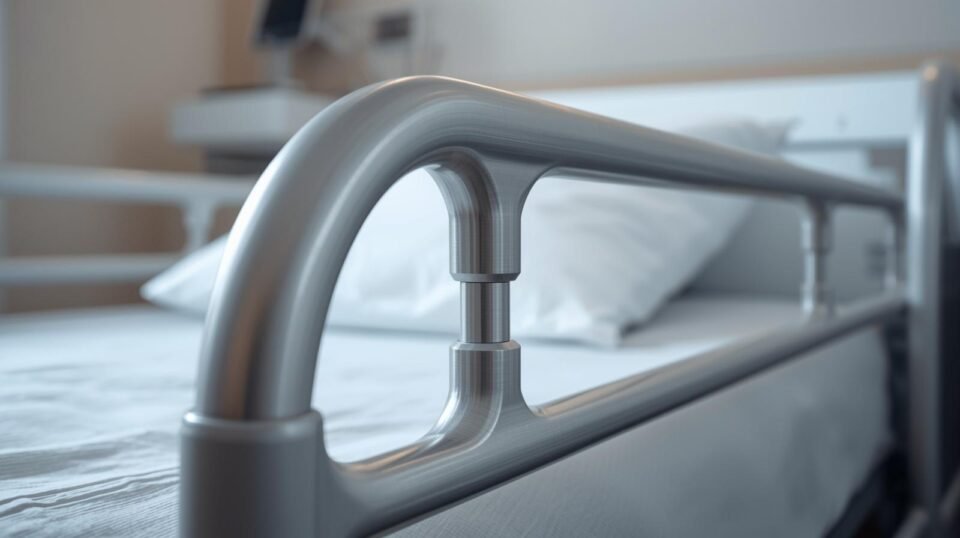
Hospital bed rails are one of the most important parts of a patient bed. They may look simple, but they play a big role in safety, support, comfort, and mobility. Whether a patient is recovering from surgery, dealing with long-term illness, or simply needs help getting in and out of bed, bed rails provide protection and stability. Hospitals, clinics, home-care centers, and caregivers all depend on them every day.
In this article, we’ll explain what hospital bed rails are, how they work, their types, benefits, safety tips, and how to choose the right ones. Written in a simple and easy-to-understand style, this guide helps anyone learn the basics quickly.
What Are Hospital Bed Rails?
Hospital bed rails are strong metal or plastic bars placed on the sides of a hospital bed. Their main purpose is to prevent patients from falling out of bed and to provide support when moving, sitting, or standing. They come in different lengths and designs depending on the patient’s needs.
Some bed rails cover the entire side of the bed, while others only cover half. Today’s hospital bed rails are designed to be adjustable, easy to lock, and comfortable to grip.
Why Hospital Bed Rails Are Important
Bed rails are not just simple attachments they are a basic part of patient care. Here are the biggest reasons they matter:
1. Fall Prevention
Patients recovering from surgery, elderly patients, or those with limited mobility often face a high risk of falling. Bed rails reduce this risk by acting as a barrier.
2. Movement Support
Rails help patients:
- Sit up
- Turn sideways
- Adjust their position
- Stand up safely
This reduces strain on both patients and caregivers.
3. Safety at Night
Many patients move in their sleep. Rails help keep them secure, especially those who are restless or experiencing confusion.
4. Independence for Patients
Patients can change positions, grab the rails, and support themselves without waiting for a nurse every time. This improves confidence and comfort.
5. Extra Protection for Children and Seniors
Pediatric and geriatric patients often need more stable support. Bed rails give families and medical staff peace of mind.
Types of Hospital Bed Rails
Hospital bed rails come in various designs. Each type serves a different purpose depending on patient needs.
1. Full-Length Bed Rails
These rails stretch from the head to the foot of the bed.
Best for:
- Patients who move a lot
- Elderly patients
- High-risk fall patients
They provide maximum protection.
2. Half-Length Bed Rails
These rails cover only the upper or lower half.
Used for:
- Patients who need support sitting up
- Those who need easier bed entry
- Patients who don’t need full protection
They offer safety without blocking movement.
3. Split Rails
The rail is divided into two separate sections.
Advantages:
- More control
- Flexible positioning
- Easy access for caregivers
This type is common in modern hospital beds.
4. Assist Rails
These rails are small and act like a handle.
Ideal for patients who:
- Need support getting up
- Can move but need stability
- Want something easy to hold
They offer support without enclosing the bed.
5. Folding or Drop-Down Rails
These rails can be lowered when needed.
Benefits:
- Easy patient transfer
- Quick caregiver access
- Better for emergency situations
Hospitals often use them in surgical recovery units.
Materials Used in Bed Rails
Modern hospital bed rails are built for durability. Common materials include:
- Stainless steel (strong and rust-proof)
- Aluminum (lightweight but sturdy)
- Heavy-duty plastic (safe and shock-resistant)
Rails are often covered with coatings that resist scratches and bumps.
Benefits of Using Hospital Bed Rails
Hospital bed rails provide multiple benefits for both patients and healthcare workers.
1. Improved Patient Safety
Rails act as a protective barrier that reduces dangerous falls.
2. Better Mobility Support
Patients can shift positions or stand up with less risk.
3. Reduced Caregiver Workload
Staff don’t need to constantly assist with small movements.
4. Increased Comfort
Patients feel more secure and relaxed.
5. Enhanced Recovery
Safe movement means less stress and faster healing.
Safety Considerations and Precautions
While hospital bed rails are helpful, they must be used correctly. Here are important safety tips:
1. Proper Installation
Rails should be tightly locked and checked regularly.
2. Right Size and Height
Rails must match the bed and the patient’s needs.
3. Avoid Gaps
There should be no space where a patient’s head, arm, or leg can get stuck.
4. Not Suitable for Every Patient
Some patients with severe restlessness or mental confusion may need monitoring instead of rails.
5. Regular Maintenance
Loose rails can cause injury. Hospitals must inspect them daily.
Hospital Bed Rails for Home Use
Many people also use hospital-style bed rails at home, especially for elderly family members. Home bed rails:
- Fit onto normal beds or hospital home-care beds
- Offer stability for seniors
- Help prevent nighttime falls
- Support those recovering from injuries
They are easy to install and often adjustable.
How to Choose the Right Hospital Bed Rails
Choosing bed rails depends on patient condition, mobility level, and the type of bed.
1. Consider Patient Needs
- Full rails for high fall risk
- Half rails for partial support
- Assist rails for mobility help
2. Check Compatibility
The rail must fit the bed model exactly.
3. Look for Adjustable Options
Height and length adjustments make rails more useful.
4. Choose Durable Material
Steel and aluminum last longer and provide more strength.
5. Ensure Easy Access for Caregivers
Drop-down or split rails allow nurses to help patients quickly.
Maintenance Tips for Long-Lasting Bed Rails
Here are simple tips to keep bed rails in good condition:
- Clean regularly
- Tighten bolts and locks
- Check the coating for scratches
- Inspect joints for bending
- Lubricate moving parts
- Replace worn-out sections
Good maintenance increases safety and durability.
Final Thoughts
Hospital bed rails are an essential part of safe patient care. They help prevent falls, support movement, improve comfort, and make it easier for both patients and caregivers to manage daily routines. With different types available full-length, half-length, assist rails, and more hospitals and homes can choose what fits the patient best. When used correctly, bed rails make recovery safer, smoother, and more secure.
